
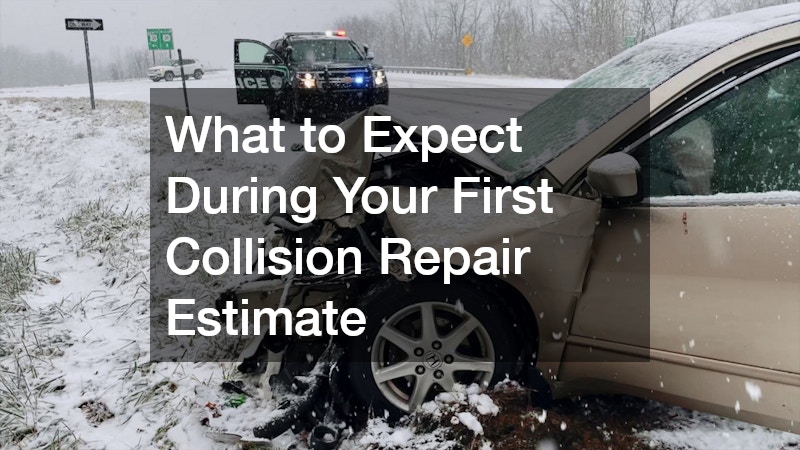
Getting into a car accident is an incredibly jarring experience. In the immediate aftermath, your adrenaline is pumping, you are dealing with the logistical headache of a damaged vehicle, and you are likely worrying about potential injuries. Once the dust settles, however, a new kind of anxiety often sets in: the mystery of the vehicle restoration process. For most drivers, the inner workings of a collision center are completely foreign. When you are handed a multi-page itemized sheet filled with technical jargon, part numbers, and labor hour calculations, it is easy to feel overwhelmed and vulnerable.
Understanding how a professional evaluation works is the best way to regain control of the situation. An estimate is not just a random price tag thrown at your vehicle; it is a highly detailed, scientific roadmap designed to restore your car to its pre-accident safety, structural integrity, and aesthetic value. When you know what the technicians are looking for, how they calculate costs, and what your rights are as a vehicle owner, you can navigate the aftermath of a wreck with confidence. This comprehensive guide will walk you through the entire journey, demystifying the paperwork and giving you the exact tools you need to advocate for your investment.
1. Securing the Scene and Ensuring Safe Transport
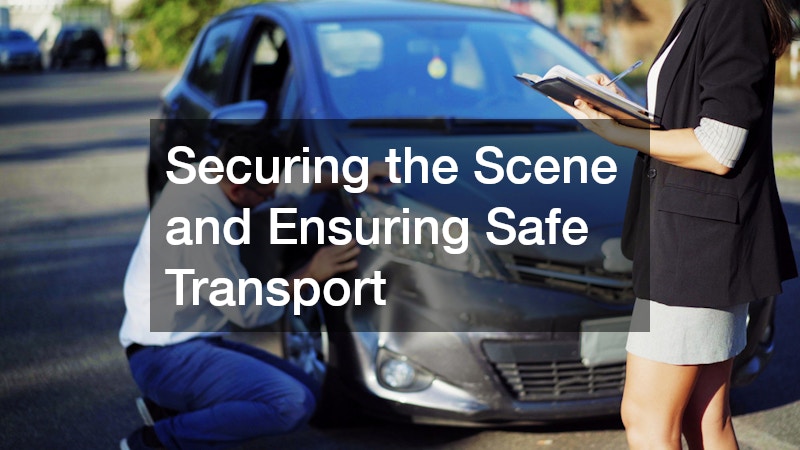
The very first phase of any vehicle restoration journey begins right at the roadside. Immediately after a collision, your primary focus must be on safety and documentation. Once you have checked for injuries and moved to a safe area, it is critical to photograph the vehicles exactly as they sit. Capture wide shots of the entire scene, close-ups of the impact zones, and images of any skid marks or broken debris on the asphalt. This photographic evidence is vital because once the vehicle is moved, crucial context about how the damage occurred can be lost forever.
After documenting the scene, you must make a critical decision regarding whether the vehicle is safe to drive. Even if the engine turns over and the car moves forward, structural compromises can make it incredibly dangerous to operate. A bent suspension component can cause a sudden loss of control at highway speeds, or a compromised bumper reinforcement might fail completely in a secondary impact. If there is any doubt whatsoever, you should immediately arrange for towing-services’> a professional towing service to handle the transport. Relying on a certified towing company ensures that your vehicle is lifted and transported without causing secondary mechanical damage to the drivetrain or frame.
2. Initiating the Insurance Paperwork
Once your vehicle is safely off the roadway, the administrative process begins. You will need to contact your insurance company as soon as possible to report the incident and establish a claim number. This number acts as the master key for every transaction, inspection, and repair order moving forward. During this initial call, be prepared to provide the date, time, location, and the police report number if law enforcement responded to the scene.
During this conversation, it helps to understand the specific role of the entity handling your policy. Your local auto insurance agency is typically responsible for the sale and management of your policy, acting as your local point of contact. However, the corporate auto insurance provider is the entity that actually evaluates the financial risk, employs the claims adjusters, and issues the payments for the damages. Knowing this distinction helps you understand who to contact when you have questions about your deductible, car rental coverage, or the specific timeline for the payout approval.
3. Understanding Your Rights in Selecting a Repair Facility
After the claim is opened, your insurance company will likely provide a list of recommended shops in your area. These are often referred to as Direct Repair Program shops. While these managed networks offer streamlined paperwork and direct billing, it is absolutely vital to know that you are under no legal obligation to use the facility the insurance company suggests. You have the absolute right to take your vehicle to any business you trust.
When researching facilities, look for shops that hold recognized industry credentials, such as I-CAR Gold Class certification, which indicates that the technicians undergo continuous training on modern vehicle materials and safety technologies. You should also look for a facility that offers a written lifetime warranty on its workmanship. Take the time to read independent online reviews, focusing specifically on how the business handles communication, delays, and post-repair quality issues, rather than just looking at the overall star rating.
4. Navigating the Physical Assessment Environment
When your vehicle arrives at the destination, it enters a very specific operational environment. It is helpful to recognize that an auto repair shop is generally geared toward mechanical maintenance, fluid changes, and engine diagnostics. Make sure to do some research before car accidents take place on your preferred local auto repair shop in case of an emergency towing situation. For structural damage, sheet metal manipulation, and frame realignment, you need a specialized auto body repair facility that possesses the heavy-duty machinery, paint booths, and frame-measuring systems required to fix structural damage.
Upon arrival, an estimator will be assigned to your vehicle. They will begin by entering your vehicle identification number into a specialized software program that pulls up the exact factory specifications for your specific year, make, and model. This ensures that every part cost and labor hour calculation programmed into the system matches the exact blueprint of your car, eliminating guesswork and preventing the use of incorrect components.
5. Evaluating Mechanical and Electronic Systems
A modern vehicle is essentially a rolling computer wrapped in steel and aluminum. Therefore, a thorough evaluation cannot simply rely on what is visible to the naked eye. The estimator must look past the crushed plastic and crumpled fenders to check the vital internal systems that keep the vehicle functional and safe.
This phase involves hooking the vehicle up to a diagnostic scanner to check for hidden error codes. A primary area of focus during this stage is the braking system, as a hard impact can easily pinch brake lines, crack ABS sensors, or damage the master cylinder. Ensuring you get a proper auto brake repair included in the estimate is a matter of basic survival on the road. The technician will evaluate the entire mechanical health of the vehicle, wrapping these mechanical elements into the overall auto repair portion of the written estimate so that the car stops and handles just as beautifully as it looks.
6. The Visual Walkthrough and Document Formatting
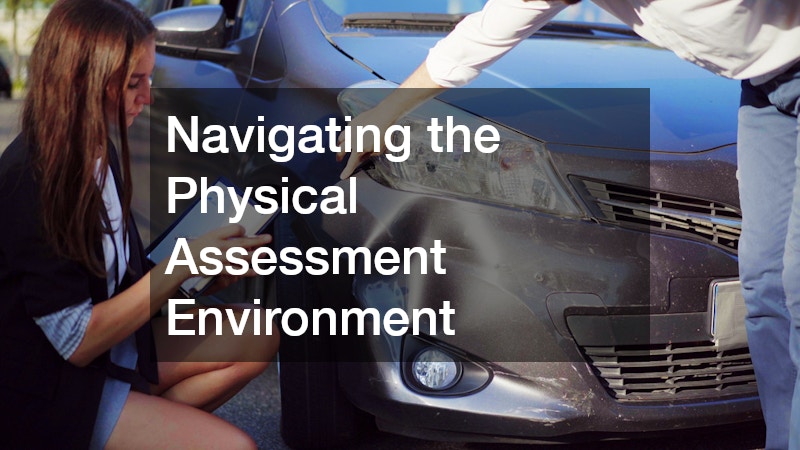
With the mechanical scans underway, the estimator will perform the formal visual inspection. They will walk around the vehicle with a digital tablet, taking high-resolution photographs of every single scratch, dent, and misalignment related to the accident. They will also note any pre-existing damage to ensure it is clearly separated from the current insurance claim.
The resulting document you receive is broken down into highly detailed line items. Each line item represents a specific action, such as remove and install, repair, or replace. The document will also break down the costs into distinct categories, separating the price of physical components from the cost of the physical labor. Labor is typically calculated in hours and fractions of hours, using specific labor rates determined by the regional market and the complexity of the work being performed.
7. Deciphering the Component and Part Types
One of the most confusing aspects of reading a collision estimate is the terminology used to describe the parts that will be used to fix your car. The types of parts utilized will have a massive impact on both the total cost of the project and the long-term value of your vehicle.
OEM parts are components made directly by your vehicle’s original manufacturer, ensuring a perfect fit and identical structural integrity. Aftermarket parts are produced by third-party companies; they are often cheaper, but quality and fitment can vary wildly. Recycled parts are original components salvaged from identical vehicles in scrap yards, which can be an excellent option for matching weathered paint or sourcing rare structural elements. Be sure to ask the estimator exactly which type of parts are listed on your sheet so there are no surprises later.
8. Managing the Hidden Damage and Teardown Process
It is a universal truth in the collision industry that the first estimate is rarely the final price. The initial paperwork is typically a visual estimate, meaning it only accounts for what the estimator can see without taking the car apart. True collision damage is like an iceberg; the vast majority of it hides beneath the surface.
To uncover this hidden damage, the shop will perform a teardown, which involves carefully removing the damaged outer panels to inspect the underlying frame rails, radiator supports, and energy-absorbing foam blocks. If they discover bent structural members or cracked interior housings during this phase, the shop will draft a supplement. This supplemental auto repair service request is submitted directly to the insurance company along with photographic proof, ensuring that the extra funding is approved before the technicians proceed with the deeper structural work.
9. Inspecting Frame Realignment and Structural Integrity
If the collision was severe enough to compromise the inner structure of the vehicle, the car will need to be placed on a specialized frame rack. This machine utilizes hydraulic towers capable of exerting thousands of pounds of pulling force to precisely restore the metal to its original factory dimensions.
Technicians use computerized laser measuring systems that compare the current state of your vehicle’s frame against the factory blueprints down to the millimeter. If the frame is not perfectly straight, the body panels will not align, the doors will not close properly, and most importantly, the vehicle will not protect you correctly in a future accident. This phase of the process requires immense skill and patience, as rushing the structural realignment can permanently weaken the metal.
10. The Refinishing and Exterior Protection Phase
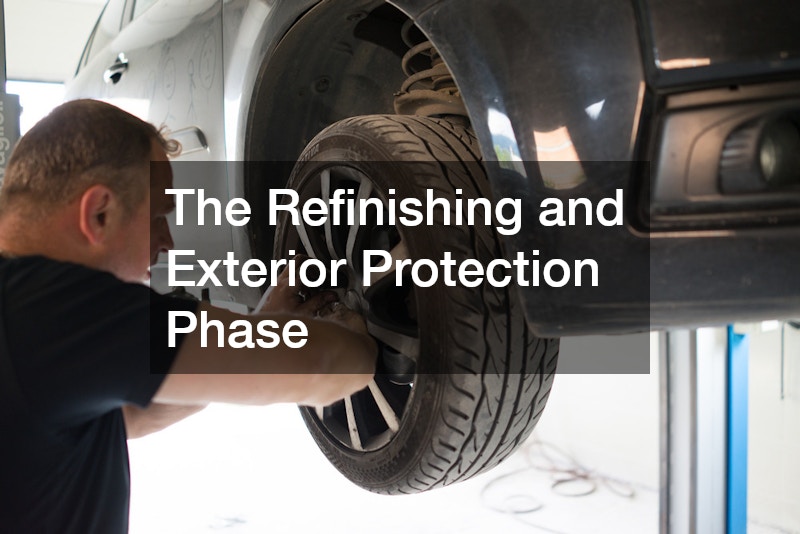
Once the metal is straight and the mechanical components are replaced, the vehicle moves into the paint department. This is where the artistry of the collision world truly shines. The painter will use the manufacturer’s paint code found on your vehicle’s door jamb to mix the base coat, often using computerized color-matching cameras to account for any natural fading the sun has caused over the years.
The vehicle is meticulously prepped, taped off, and brought into a pressurized downdraft paint booth to prevent dust particles from ruining the finish. After the color and clear coats are applied and baked dry, the final step involves restoring the external resilience of the exterior. Many owners choose this moment to invest in an advanced paint protection service to safeguard the fresh, vulnerable clear coat from rock chips, bird droppings, and UV damage. This final application ensures that the flawless look achieved by the collision facility remains intact for years to come.
Navigating your very first collision estimate can feel like learning a completely new language while under an immense amount of personal stress. However, by breaking the process down into manageable steps, you transform a confusing situation into a transparent, manageable business transaction. Remember that the estimate is a living document meant to guide the technicians toward a safe, complete restoration of your vehicle. You have the right to choose your facility, ask tough questions about the parts being used, and demand clarity on any line item you do not understand. By staying informed and partnering with certified professionals, you can confidently oversee your car’s journey from a damaged wreck back to a safe, beautiful, roadworthy asset.
Ultimately, your vehicle is one of your most significant investments, and its safety systems are what protect you and your family on the road. Taking the time to understand the estimate process shifts the power dynamic back into your hands, ensuring you are never at the mercy of confusing paperwork or insurance pressures. Do not hesitate to treat the initial estimate as a conversation starter rather than a final verdict. By advocating for quality parts, verified structural safety, and expert refinishing, you ensure your car retains its value and performance. With the right knowledge, you can turn a stressful accident into a smooth, successful restoration experience.