
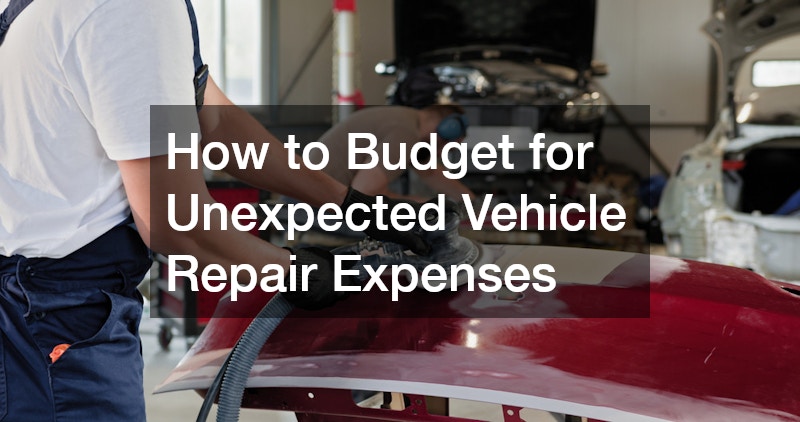
Owning a vehicle brings freedom and convenience, but it also comes with financial responsibilities. While routine maintenance can be planned, unexpected repairs often catch drivers off guard. A sudden breakdown or mechanical failure can disrupt daily life and strain a carefully planned budget. Preparing for these unforeseen costs is essential for maintaining financial stability and avoiding unnecessary stress.
A strategic approach to budgeting helps drivers stay prepared for the unpredictable. By understanding potential repair expenses, setting aside emergency funds, and making informed decisions about vehicle care, you can reduce financial pressure and extend the life of your car. This guide provides practical insights to help you anticipate costs and manage them with confidence.
Understanding the True Cost of Vehicle Ownership

Many drivers underestimate the full cost of owning a vehicle. Beyond fuel and insurance, repairs and maintenance play a significant role in long-term expenses. Recognizing these hidden costs allows you to prepare financially and avoid sudden setbacks.
Repair costs vary depending on factors such as vehicle age, driving habits, and environmental conditions. Even minor issues can escalate into expensive problems if left unaddressed. For instance, damage caused by accidents may require auto body repair, while general wear and tear often requires local auto repairs.
When budgeting for vehicle ownership, consider these common expenses:
- Routine maintenance and inspections
- Replacement parts and labor costs
- Emergency roadside assistance
- Unexpected mechanical failures
- Cosmetic damage and structural fixes
Understanding these potential costs provides a clearer picture of what to expect, helping you create a realistic and sustainable financial plan.
Building an Emergency Vehicle Repair Fund
An emergency fund specifically designated for car repairs serves as a financial safety net. Instead of scrambling to cover unexpected costs, you can rely on savings to handle urgent issues without disrupting your monthly budget.
Financial experts often recommend setting aside three to six months’ worth of essential expenses. While this may not always be feasible, allocating even a small amount each month can make a significant difference over time.
To establish a dedicated repair fund:
- Set a realistic savings goal based on your vehicle’s age and condition.
- Contribute consistently, even if the amount is modest.
- Automate transfers to a separate savings account.
- Avoid using these funds for non-emergency expenses.
- Replenish the account after any withdrawal.
This proactive approach ensures you are prepared for unexpected problems such as brake repair or transmission repair, which can otherwise place a heavy burden on your finances.
Identifying Common Unexpected Repairs
Understanding the types of repairs most likely to occur helps you anticipate costs more accurately. While every vehicle is different, certain issues tend to arise more frequently.
For example, aging exhaust systems may require muffler repair to maintain proper performance and reduce noise. Similarly, worn suspension components often lead to shocks and strut repair, which improves ride comfort and handling.
Other unexpected repairs may include:
- Electrical system malfunctions
- Battery or alternator replacements
- Engine overheating issues
- Steering and suspension failures
- Fuel system complications
By recognizing these possibilities, you can allocate funds more effectively and reduce the financial impact of sudden breakdowns.
Factors That Influence Repair Costs
Not all vehicle repairs cost the same. Several variables determine the final price, making it essential to understand what influences your expenses.
Key factors include:
- Vehicle Make and Model: Luxury and imported vehicles often require specialized parts and expertise.
- Labor Rates: Costs vary by region and technician experience.
- Availability of Parts: Rare or imported components typically increase repair expenses.
- Severity of Damage: Extensive issues require more time and resources to resolve.
- Technology Integration: Modern vehicles with advanced systems often demand specialized diagnostics.
For instance, premium brands may require specialized care through local BMW services, while accident-related damage may involve comprehensive collision repairs. Accounting for these variables helps you create a more accurate and adaptable budget.
Creating a Monthly Budget for Repairs
Establishing a monthly allocation for vehicle repairs prevents financial strain when unexpected issues arise. Instead of reacting to emergencies, you can approach them with confidence and preparation.
Follow these steps to build an effective budget:
- Evaluate Your Vehicle’s Age and Condition
- Older cars typically require more frequent repairs.
- Review Historical Maintenance Costs
- Past expenses provide valuable insight into future needs.
- Estimate Annual Repair Costs
- Divide the total by 12 to determine your monthly savings target.
- Prioritize Preventive Maintenance
- Addressing small issues early can prevent costly repairs.
- Adjust for Driving Habits
- High mileage and harsh conditions increase wear and tear.
Consulting experienced auto mechanics can help you estimate realistic costs. Additionally, obtaining quotes from a reputable local auto body shop provides valuable insight into potential repair expenses.
The Role of Preventive Maintenance in Reducing Costs
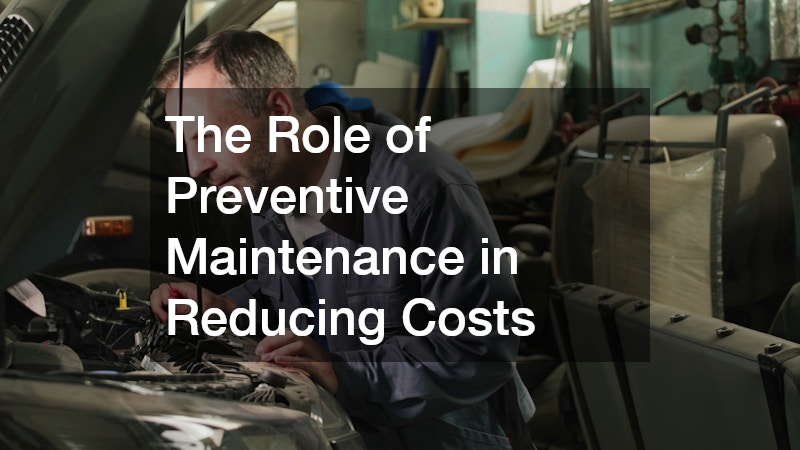
Preventive maintenance is one of the most effective ways to minimize unexpected expenses. Routine inspections and timely servicing help identify potential problems before they escalate into costly repairs.
Key preventive measures include:
- Regular oil and filter changes
- Tire rotations and alignments
- Brake inspections
- Fluid level checks
- Battery testing
- Belt and hose replacements
Benefits of preventive maintenance:
- Extends vehicle lifespan
- Improves fuel efficiency
- Enhances safety and reliability
- Reduces the likelihood of major repairs
- Protects resale value
Investing in routine care ultimately saves money by preventing extensive damage and emergency breakdowns.
How Insurance Impacts Repair Expenses
Auto insurance plays a crucial role in managing unexpected repair costs. Understanding your coverage ensures you are financially prepared when accidents or damage occur.
Common types of coverage include:
- Collision Coverage: Pays for damages resulting from accidents.
- Comprehensive Coverage: Covers non-collision incidents such as theft or natural disasters.
- Liability Insurance: Covers damages caused to others.
- Uninsured Motorist Coverage: Protects against drivers without insurance.
When filing a claim, insurers often work with repair facilities to assess damage and estimate costs. Choosing a trusted provider ensures accurate evaluations and quality repairs while minimizing out-of-pocket expenses.
Review your policy regularly to confirm it aligns with your financial goals and risk tolerance.
Smart Strategies for Comparing Repair Estimates
Obtaining multiple estimates empowers you to make informed financial decisions. Comparing quotes allows you to evaluate pricing, labor costs, and the quality of services offered.
When reviewing estimates, consider the following:
- Request detailed, itemized quotes.
- Verify certifications and credentials.
- Check warranties on parts and labor.
- Read customer reviews and testimonials.
- Confirm the use of high-quality replacement parts.
Additional tips for comparing repair options:
- Avoid selecting services based solely on price.
- Ask questions about recommended repairs.
- Ensure transparency in timelines and costs.
- Look for clear communication and professionalism.
Taking the time to evaluate your options helps you avoid unnecessary expenses while ensuring reliable and long-lasting repairs.
Leveraging Technology to Track Vehicle Expenses
Digital tools simplify budgeting and help you stay organized. By tracking repair and maintenance costs, you can make informed financial decisions and anticipate future expenses.
Useful tools include:
- Mobile budgeting apps
- Vehicle maintenance trackers
- Spreadsheet templates
- Expense management software
- Service reminder applications
Benefits of using technology:
- Provides accurate financial insights
- Helps identify spending patterns
- Prevents missed maintenance appointments
- Simplifies record-keeping
- Supports long-term planning
Maintaining digital records also proves beneficial when selling your vehicle, as documented maintenance enhances buyer confidence and resale value.
Tips for Reducing Out-of-Pocket Repair Costs
While unexpected repairs are inevitable, there are practical ways to minimize expenses without compromising quality.
Consider these cost-saving strategies:
- Address issues early to prevent further damage.
- Seek preventive inspections regularly.
- Use warranties whenever possible.
- Consider high-quality aftermarket parts.
- Take advantage of seasonal promotions.
- Learn basic maintenance skills.
- Maintain a safe and responsible driving record.
Implementing these strategies helps you stay financially prepared while maintaining your vehicle’s performance and safety.
Planning for Long-Term Financial Stability
Budgeting for unexpected vehicle repairs is not just about immediate savings; it also supports long-term financial health. Consistent planning allows you to handle emergencies without relying on high-interest credit or loans.
To maintain financial stability:
- Review and adjust your budget annually.
- Increase savings as your vehicle ages.
- Monitor repair trends and expenses.
- Consider replacing vehicles with excessive maintenance costs.
- Evaluate extended warranties for added protection.
Taking a proactive approach ensures you remain prepared for any situation while protecting your financial well-being.
Recognizing When to Repair or Replace Your Vehicle
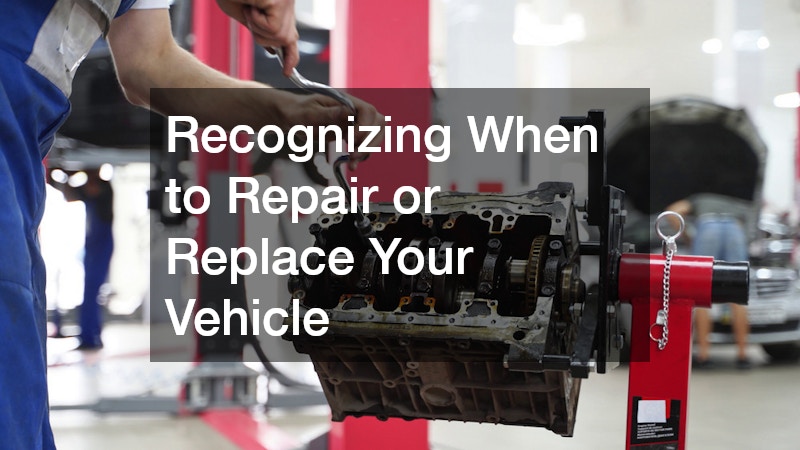
At some point, the cost of repairs may outweigh the value of the vehicle. Recognizing this tipping point is crucial for making sound financial decisions.
Signs it may be time to replace your car include:
- Frequent and costly breakdowns
- Declining reliability and safety
- Rising maintenance expenses
- Significant structural damage
- Reduced fuel efficiency
To determine whether to repair or replace your vehicle, consider the following:
- Compare repair costs to the car’s market value.
- Evaluate annual maintenance expenses.
- Assess the reliability of the vehicle.
- Factor in safety concerns and technological advancements.
- Calculate the long-term cost of ownership.
Making an informed decision ensures your transportation remains dependable without placing unnecessary strain on your budget.
Setting Financial Priorities for Vehicle Reliability
Budgeting for unexpected vehicle expenses becomes easier when drivers align their financial priorities with long-term reliability. Rather than reacting to emergencies, a structured plan allows you to anticipate potential costs and maintain consistent control over your finances.
Establishing priorities begins with understanding which repairs impact safety, performance, and longevity. Essential components such as brakes, suspension systems, and engine parts should take precedence over cosmetic concerns.
To set effective financial priorities, consider the following strategies:
- Differentiate between urgent and non-urgent repairs.
- Plan for high-cost services in advance.
- Review maintenance schedules regularly.
- Track repair history to identify trends.
- Balance short-term needs with long-term goals.
Working with experienced auto mechanics provides valuable insight into necessary services and timelines. Additionally, planning ahead for routine local auto repairs helps prevent minor concerns from becoming costly emergencies.
Understanding the Value of Quality Parts and Labor
When budgeting for unexpected vehicle expenses, the quality of parts and labor plays a crucial role in long-term savings. While cheaper solutions may appear appealing, inferior components often lead to recurring problems and increased costs.
High-quality repairs deliver durability, safety, and peace of mind. Investing in reputable professionals ensures that work is completed accurately and efficiently.
Key benefits of prioritizing quality include:
- Enhanced vehicle performance
- Improved safety and reliability
- Reduced long-term expenses
- Stronger warranties on parts and labor
- Higher resale value
For example, addressing accident-related damage through professional collision repairs helps preserve structural integrity. Likewise, choosing a trusted local auto body shop ensures that restoration work meets industry standards and manufacturer guidelines.
Preparing for Seasonal and Environmental Challenges
Environmental factors and seasonal changes significantly influence vehicle performance and repair expenses. Extreme temperatures, road conditions, and weather hazards accelerate wear and tear, making preparation essential for effective budgeting. Additionally, regular maintenance can help mitigate these effects and extend the lifespan of your vehicle. Being proactive can save on costly repairs in the long run.
Common Seasonal Challenges
Winter:
- Freezing temperatures strain batteries and fluids.
- Snow and ice increase accident risks.
- Road salt contributes to rust and corrosion.
Summer:
- Heat stresses engines and cooling systems.
- Tire blowouts become more likely.
- Increased travel leads to accelerated wear.
Spring and Fall:
- Rain and debris affect visibility and traction.
- Potholes can damage suspension components.
- Temperature fluctuations impact vehicle systems.
Planning ahead reduces the risk of unexpected expenses. For instance, slippery conditions may result in the need for brake repair, while prolonged strain on driveline components can lead to transmission repair.
To stay ahead of seasonal challenges:
- Schedule inspections before major weather changes.
- Replace worn components proactively.
- Monitor tire condition and fluid levels.
- Adjust savings to reflect seasonal risks.
- Keep emergency supplies in your vehicle.
By accounting for environmental influences, drivers can protect both their vehicles and their finances.
Safeguarding Your Finances and Vehicle Health
Preparing for unexpected vehicle repair expenses is a critical aspect of responsible car ownership that every driver should prioritize. A well-structured budget, coupled with preventive maintenance routines and informed decision-making, empowers drivers to handle unforeseen challenges confidently. Understanding the potential costs associated with repairs is essential, as is building a dedicated emergency fund specifically for automotive issues. Additionally, leveraging reliable resources, such as trustworthy mechanics and automotive forums, can provide valuable insights. Staying proactive not only helps you maintain your vehicle’s performance but also ensures your financial stability in challenging times, making car ownership a more manageable and stress-free experience.